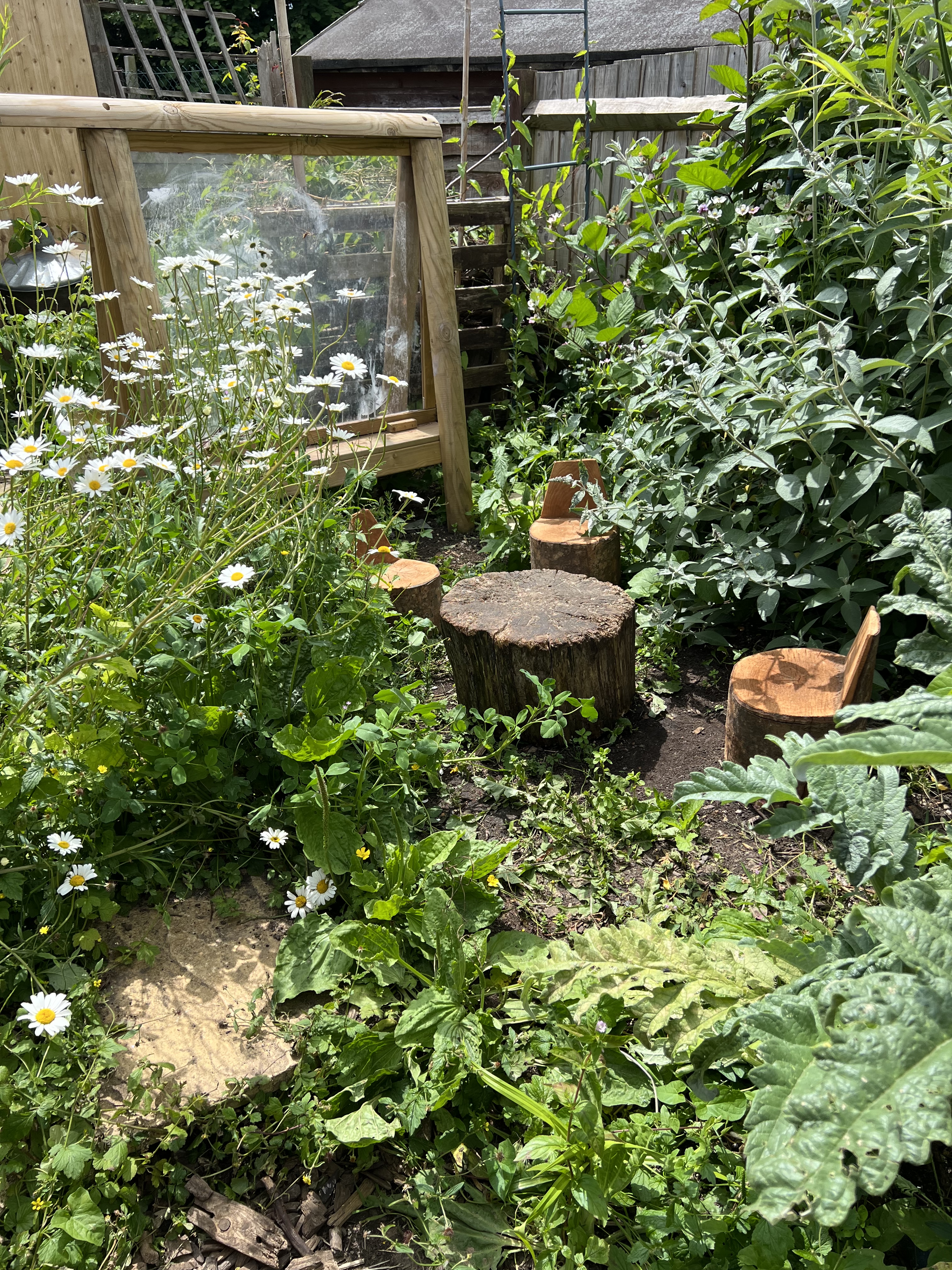
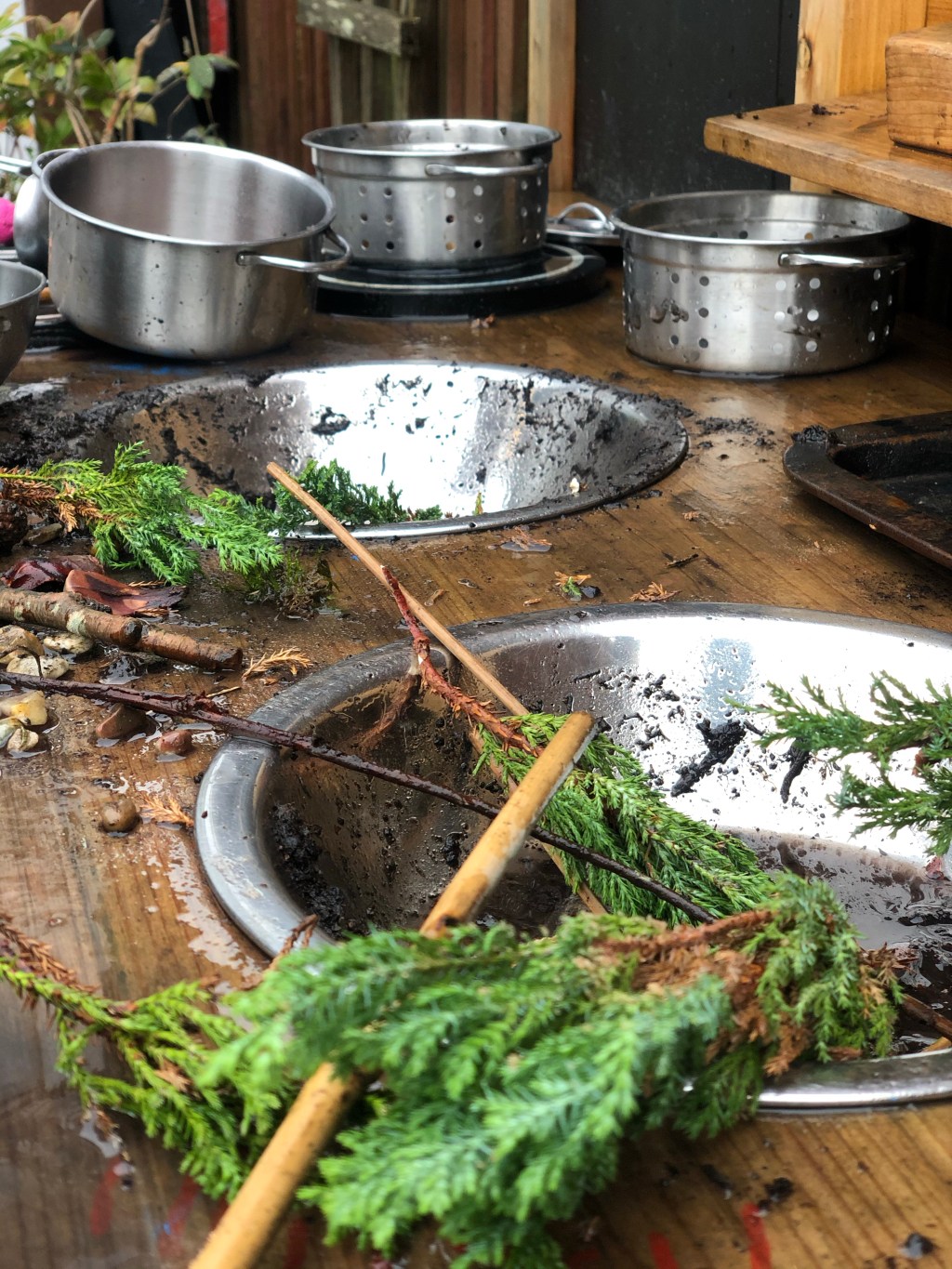
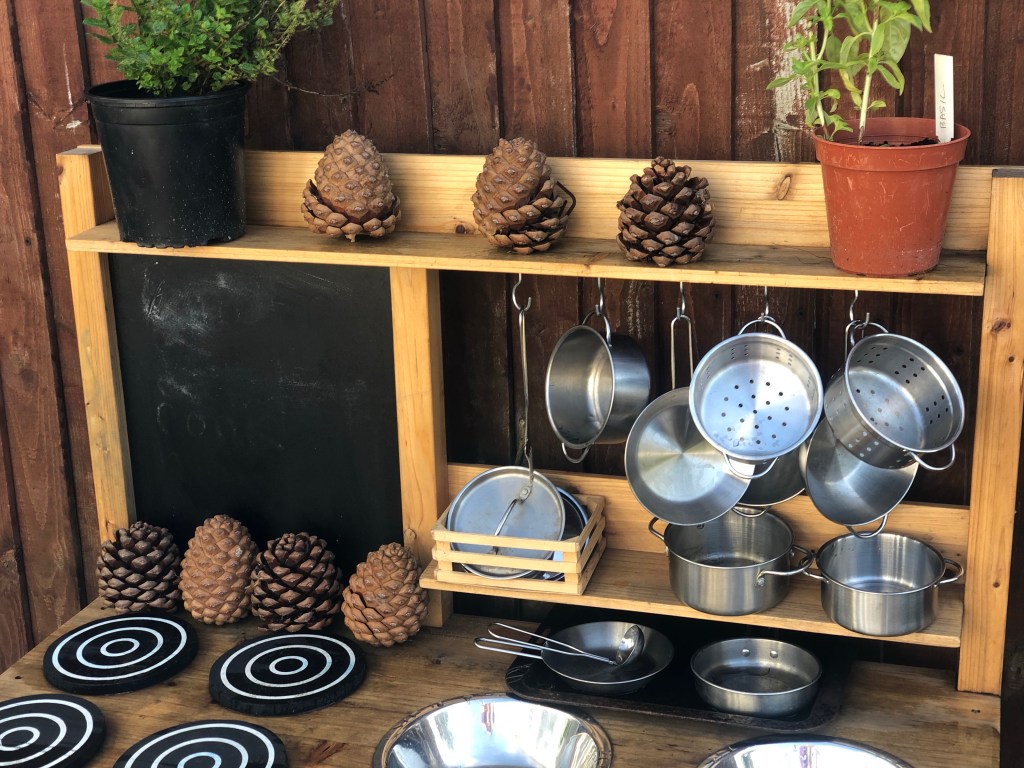
You either love them or loath them, I personally can’t get enough of them and think they make a wonderful addition to any outdoor play space. No matter the size of your mud kitchen, the creative play opportunities are endless. In this blog, I share child-led play ideas, tips for accessorising your mud kitchen and hope you’re inspired to become more creative and inventive with more than just Mud at the Kitchen sink!
Firstly, you need to create a mud kitchen if you haven’t got one already. There are always some incredibly inspiring examples of mud kitchens on Pinterest. You don’t need to have a big outlay and buy a few hundred pounds, all singing and dancing kitchen, because let’s be honest they can all offer the same learning outcomes, when accessorised richly to extend children’s learning.
Top tip: make sure your kitchen size allows enough space for the number of children who may be playing at it each day, you don’t need to have the largest of spaces to have a kitchen, I actually think mud kitchens work in smaller hideaway/den type areas. You should have enough of everything to make the kitchen inclusive and accessible to all who would like to play. Have pots for filling and emptying like a sink, something as a hob and a place for the children to hang and organise their accessories tidily at the end of play; promoting sociable play, respect for each other and the play environment of the mud kitchen.
Fancy purchasing a gorgeous handmade mud kitchen – check out these guys below:
Top accessories for your Mud kitchen
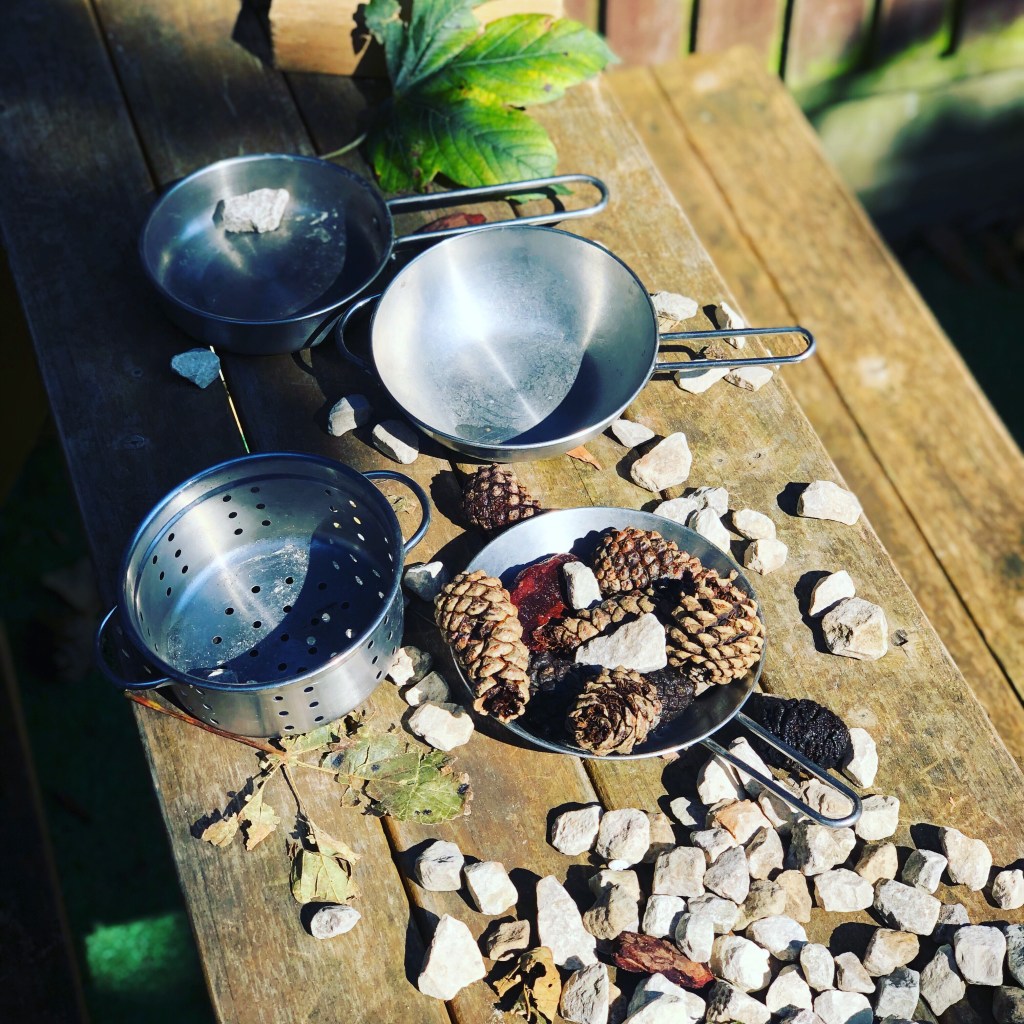
Pots and Pans – well whoever heard of kitchen without pots and pans?! so of course these should be the very first items to make your mud kitchen. In fact, these items alone placed down on a plank of wood, with the addition of some utensils will make a super outdoor kitchen.
Top tip: choose pots and pans of varying sizes, add lids to contain any liquids, potions and such like allowing children to whip of the pan lid and surprise you with their messy play culinary delights!
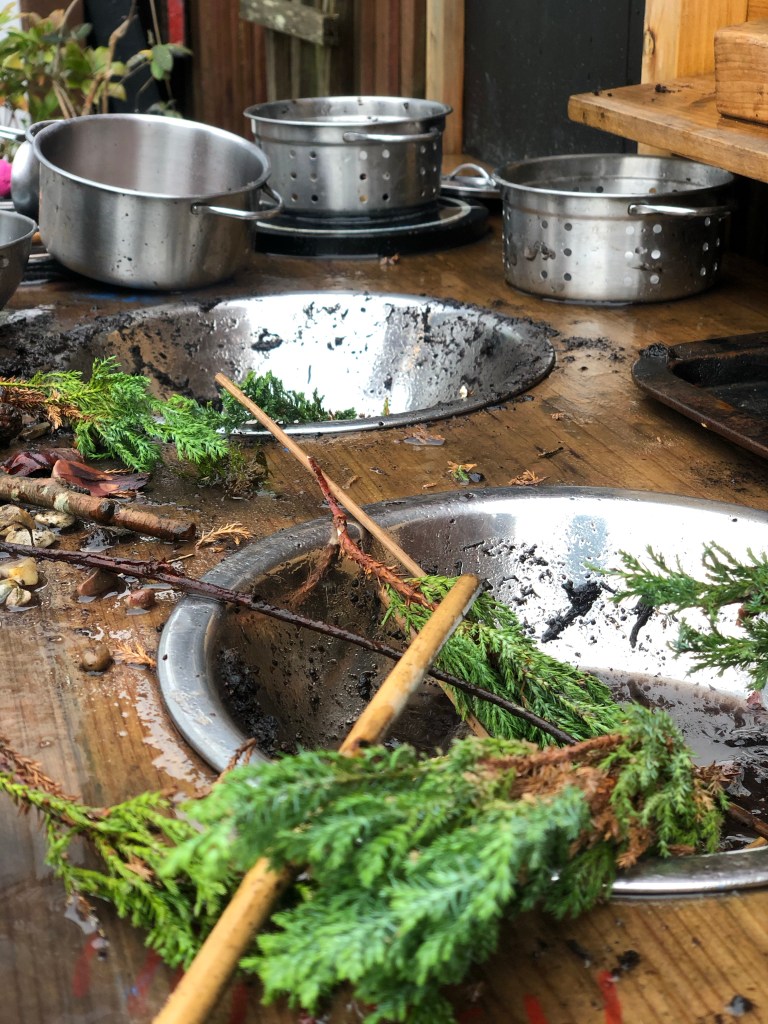
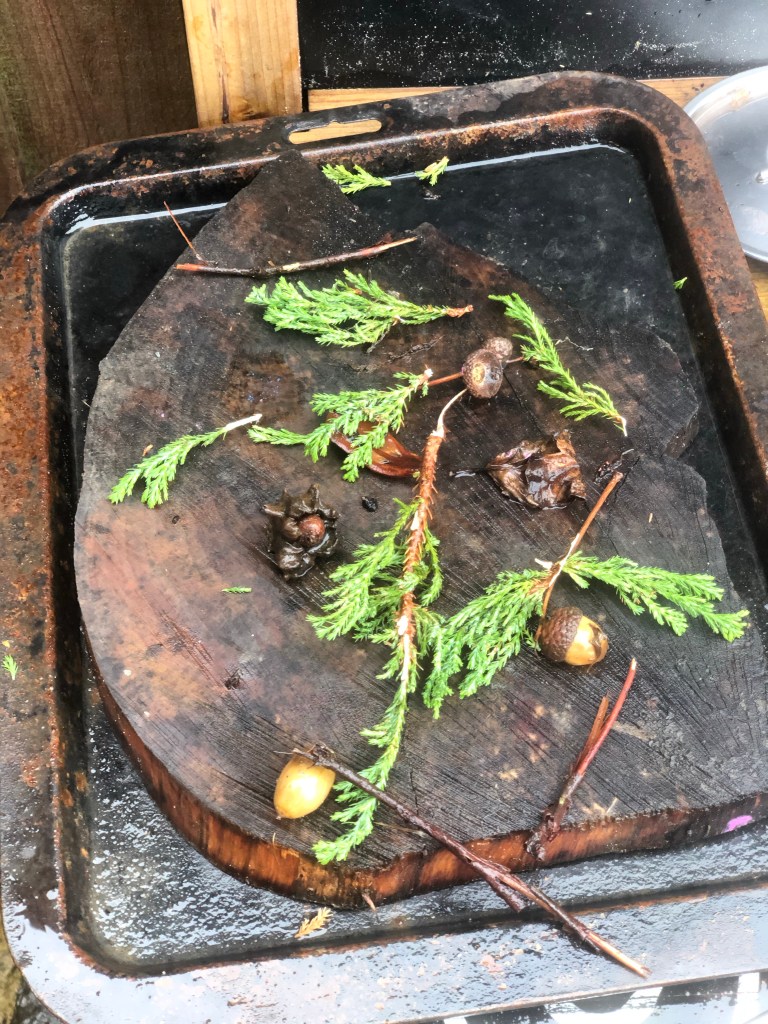
Loose parts – there’s no denying that there is a shift in the way in which children play, with loose parts taking the spot light right now. They have always been such a fascinating play experience for children and at the mud kitchen theirs no exception. I personally prefer to go as natural as possible with these items, using things such as pine cones, pebbles, bamboo sticks, leaves, acorns, shells, twigs, logs and so on. This will also include spoons, ladles, spatulas, don’t forget to mix wood and metals for great acoustics as they children clink the pots and pans adding to their creative expression.
Top tip: why not go on an outing to find treasures to add to your kitchen or create a home learning activity as we did. We ask our parents and children to go on woodland walks and bring in a list of items; the parents throughly enjoyed being a part of their child’s play and the children could share their stories of their treasure hunts with us as an additional circle time activity. Include varying sizes and weights of loose parts to extend mathematical learning outcomes such as counting, categorising, new language- heavy, light big, small etc. Also, be vigilant of small parts and closely supervise mouthing children or those displaying trajectory schemas, to avoid choking and stones flying across the kitchen.
Whilst on the very exciting subject of loose parts, I could not fail to mention, if you haven’t made this discovery already head over to Ginger Button for some beautifully crafted loose parts bundles made by Jes. They are perfect little additions to any toy selection.
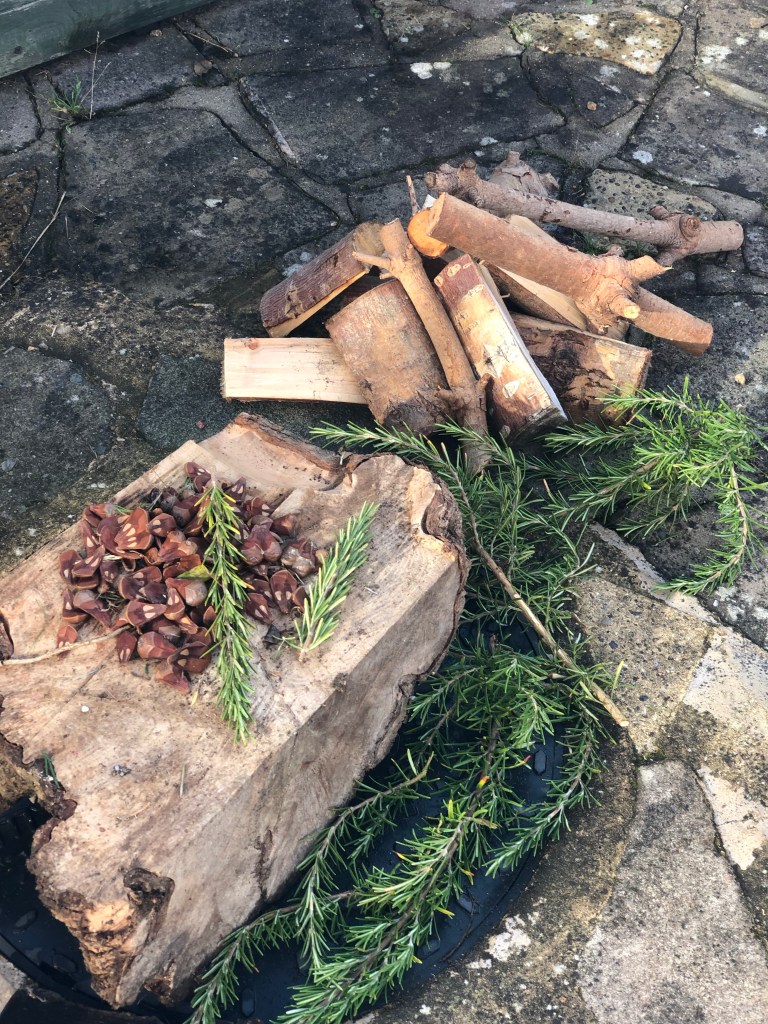
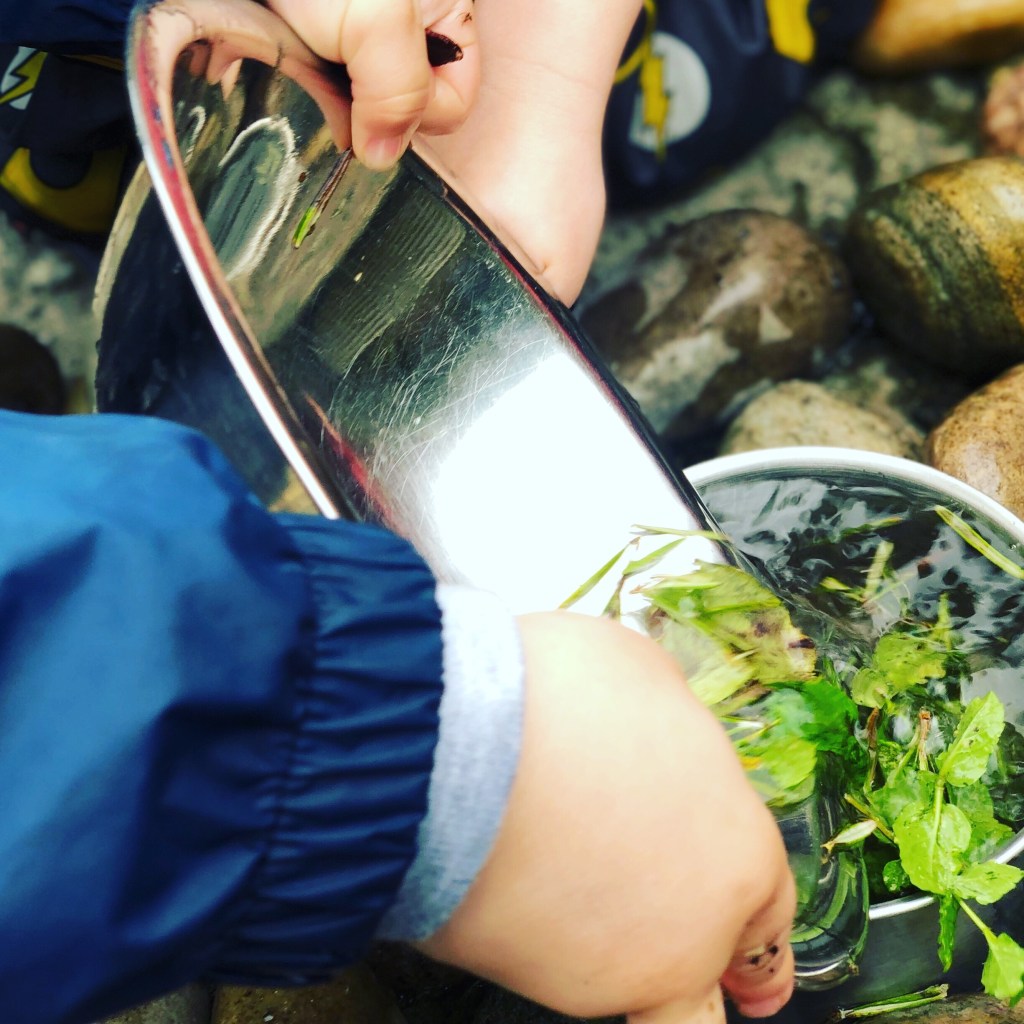
Herbs, Plants and Grasses – why not create a mini garden around your kitchen area that the children can tend and harvest to make wonderful representations of food. These plants should be safe to handle and mouth although you might want to discourage chomping on the plants generally. Let the children lead their exploring of the plants, if they up root one, show them the roots, explaining the plant anatomy and encourage them to repot the plant to help it survive and support them to do this.
Just imagine the exhilaration a child will feel when they enjoy the wonder of a multi sensory, imaginative play experiences when tearing the leafy herbs from their stems, aromas releasing as they add their ingredients to their pot. The children can also learn about growth, weather and plant life by talking about the basic science of gardening, how plants grow and how food is produced.
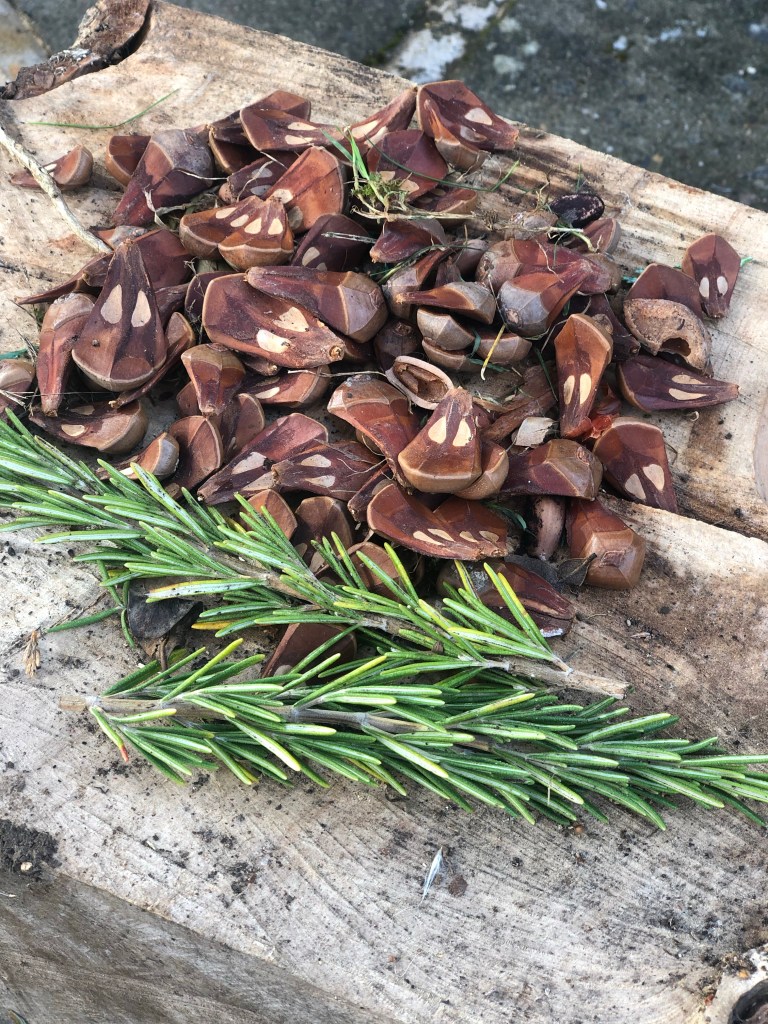
Top tips: Plants that have worked extremely well for our setting include: mint, basil, rosemary, lavender, ferns, long fine grasses such as Hair Grass, Blue Fescue. We are just about to add some potted bamboo to our area, as they grow they will create a den feel adding to the awe and wonder of the the mud kitchen.
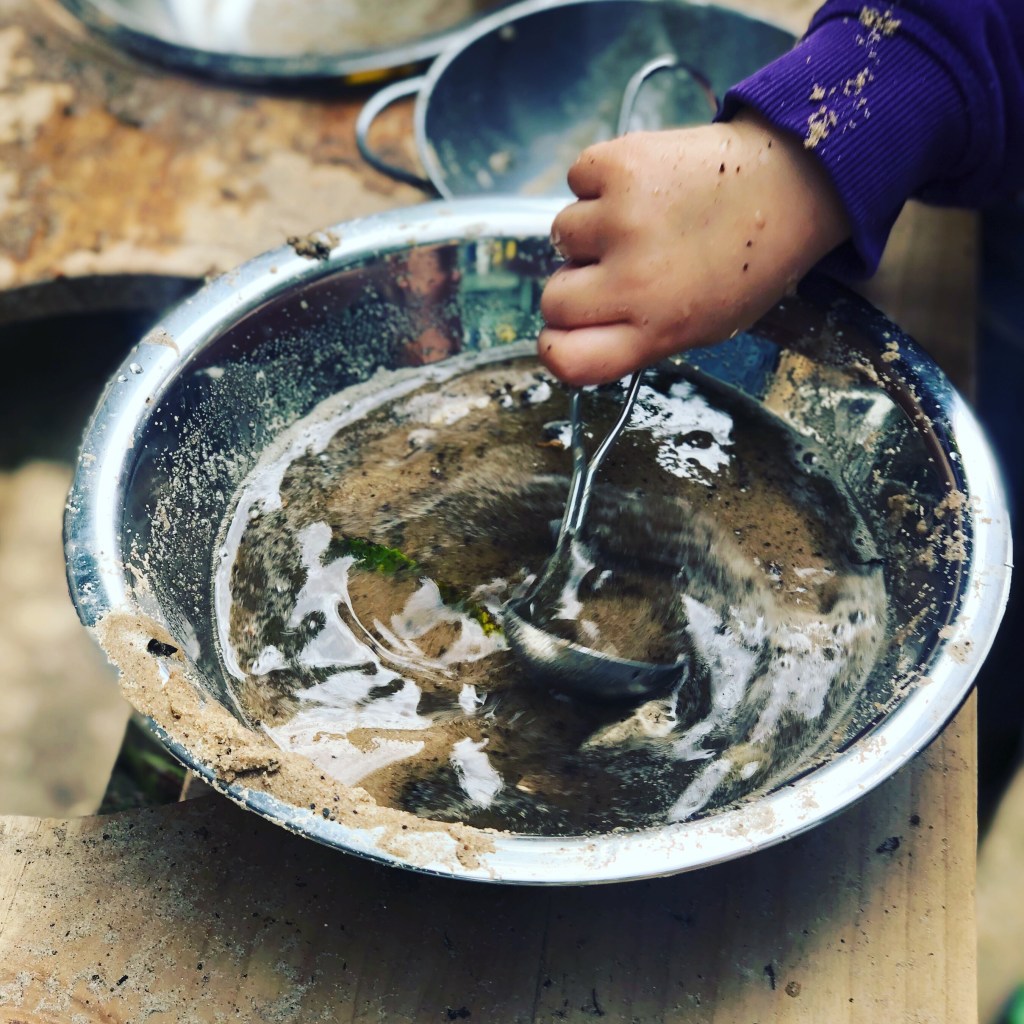
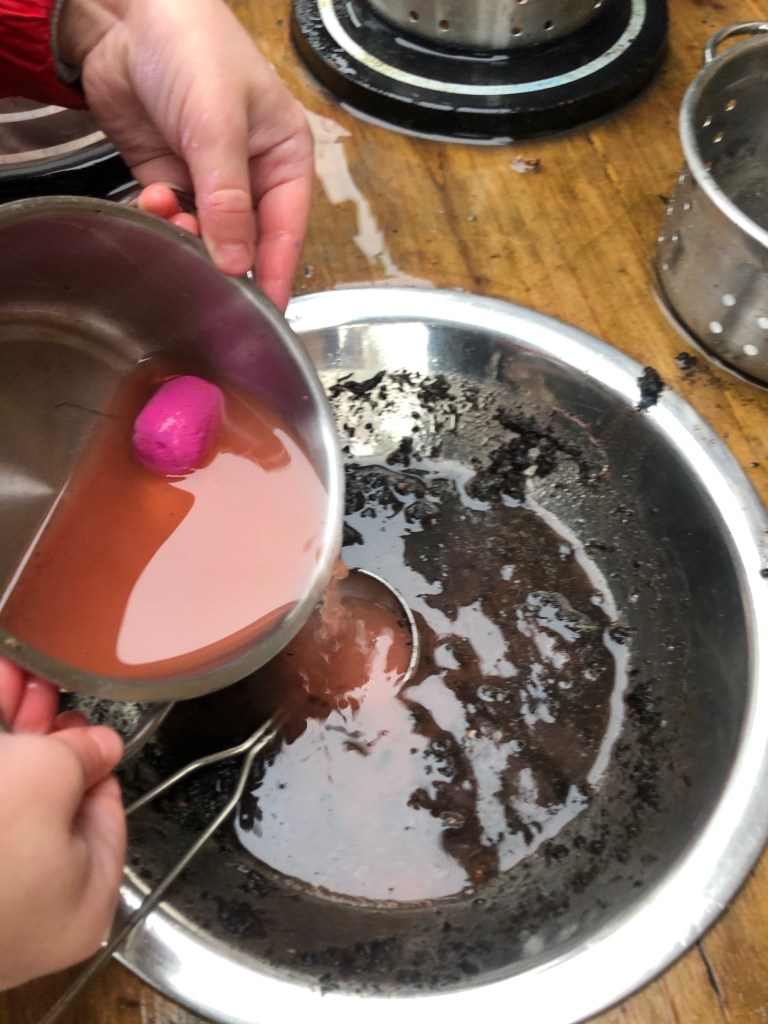
Art media – think paints, chalk, charcoal, clay, play dough, sand, glitter and bubbles! When added to the kitchen they allow for creative artistic expression. Omit paper and let the children manipulate the media led by their own interests. This can lead to great learning outcomes for the children as they investigate early science, learning through play all the while mixing of materials and experimenting with potion making, colouring mixing/changes and separation and blending of materials.
Top tip: you can always add a little selection of decanted easy pump paint bottles of varying colours: chalks, food colouring and other art materials to a shelf on the kitchen or a cupboard, adding to the element of discovery and extending investigative play.


I hope you’ve been inspired to add more than mud to your kitchen and perhaps incorporate a little gardening into this play area too.
Thanks so much for visiting
For more ideas for learning through play please visit my other blogs and to keep posted on my latest blogs and collaborations follow me on
Facebook page :kinderharmonyblog
Instagram @kinderharmonybydominique


 kinder-harmony.com
Leave a reply to Anna Cancel reply